For years, marinas were designed with a singular purpose in mind: to provide safe berthing, basic utilities, and logistical support for yachts in transit. They functioned as technical infrastructure — efficient, functional, and largely invisible within the broader destination.
That model is no longer sufficient.
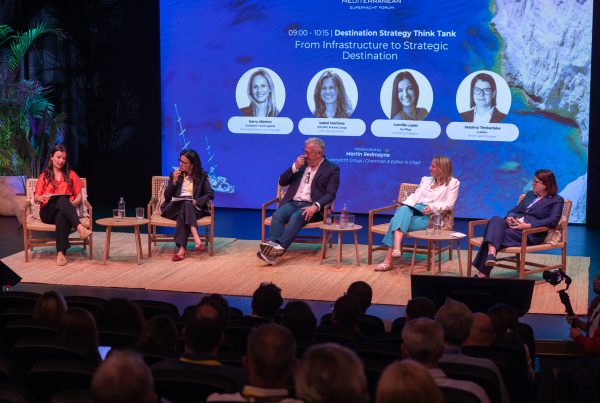
As discussed during the Marinas Think Tank at The Balearic Superyacht Forum 2025, the role of marinas within the superyacht ecosystem is undergoing a profound transformation. Today’s marinas are being challenged to evolve from passive docking facilities into active, value-generating ecosystems that combine infrastructure, hospitality, sustainability, technology, and destination appeal.
The Changing Expectations of Owners, Captains and Crew
Modern superyachts are more complex, more energy-demanding and more operationally sophisticated than ever before. At the same time, owners, captains and crew now expect far more from the ports they choose as home bases or seasonal destinations.
Berthing alone is no longer the deciding factor.
Marinas are increasingly assessed on their ability to offer:
- Reliable high-capacity shore power and future-ready energy infrastructure
- Efficient waste, water and environmental management
- Seamless access to technical services, refit support and logistics
- Crew-focused amenities that support wellbeing, retention and quality of life
- Privacy and security balanced with accessibility and ease of operations
In this context, the marina becomes a strategic operational partner, not just a place to stop.
From Infrastructure to Experience
One of the clearest conclusions from the Think Tank was that marinas are now operating firmly within the experience economy.
Successful marinas are those that understand they are no longer serving only vessels, but people: owners, guests, captains, crew, technicians, and local communities.
This has driven a shift toward:
- Social and communal spaces that encourage interaction and long stays
- Integrated hospitality, retail and leisure offerings
- Events, services and environments that create a sense of place and identity
In leading destinations, marinas are no longer adjacent to the city — they are becoming part of it. When thoughtfully integrated, they contribute to urban regeneration, premium tourism and local economic activity, strengthening their value proposition to both clients and authorities.
Sustainability as a Competitive Requirement
Sustainability was not framed as a branding exercise during the Think Tank, but as a structural requirement for future competitiveness.
Marinas are under increasing pressure from regulators, clients and the public to reduce emissions, improve resource efficiency and protect marine environments. Forward-thinking operators are responding by:
- Investing in renewable energy solutions and smart energy management
- Reducing reliance on potable water through alternative cleaning and recycling systems
- Implementing advanced waste and wastewater treatment infrastructure
- Preparing for new propulsion technologies and alternative fuels
Those that fail to adapt risk not only regulatory friction, but loss of relevance as yachts and owners increasingly select destinations aligned with their environmental commitments.
Technology, Data and Future-Proofing
The rapid evolution of yacht design — larger vessels, higher electrical loads, more automation and more complex systems — demands equally adaptive marina infrastructure.
Technology is becoming central to marina operations, from berth optimization and energy distribution to security, access control and customer experience. The ability to anticipate future fleet needs, rather than react to them, was repeatedly highlighted as a key differentiator between legacy marinas and future-ready ecosystems.
Marinas as Anchors of the Superyacht Ecosystem
Perhaps the most important takeaway from the Think Tank is that marinas can no longer be treated as isolated assets. They are anchors of the superyacht ecosystem, influencing:
- Where yachts base themselves
- How long they remain in a destination
- Which refit yards, suppliers and service providers thrive
- How regions position themselves within the global yachting landscape
In this sense, the evolution of marinas is inseparable from the evolution of the Mediterranean as a superyacht destination.
Looking Ahead
The transition from “parking lots” to “premium ecosystems” is neither simple nor immediate. It requires long-term vision, investment, collaboration with authorities, and a willingness to rethink traditional models of marina development and operation.
But the direction is clear.
Marinas that embrace this transformation will not only enhance their own resilience and profitability — they will help define the future of the superyacht industry itself. And as highlighted at The Balearic Superyacht Forum, the Mediterranean has both the opportunity and the responsibility to lead this evolution.