Why changing perceptions is as vital as changing regulations.
In an era when perception often outweighs reality, the superyacht industry faces a challenge as strategic as any regulatory reform: how to tell its own story.
For decades, yachting has been portrayed as a symbol of exclusivity — a world of luxury detached from social or economic value. Yet behind that image lies a complex ecosystem of innovation, employment, and fiscal contribution. Shipyards, refit yards, marinas, and service companies across the Mediterranean sustain tens of thousands of skilled jobs and drive billions in annual economic activity.
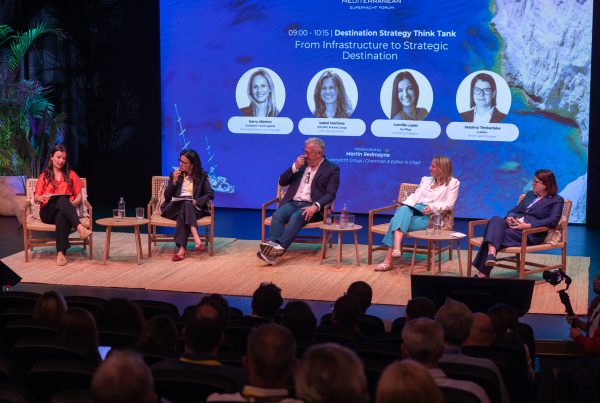
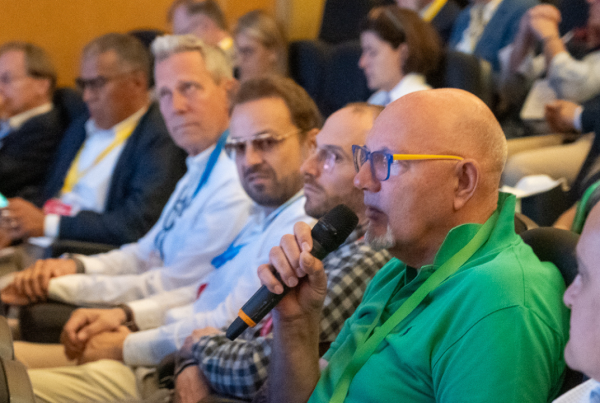
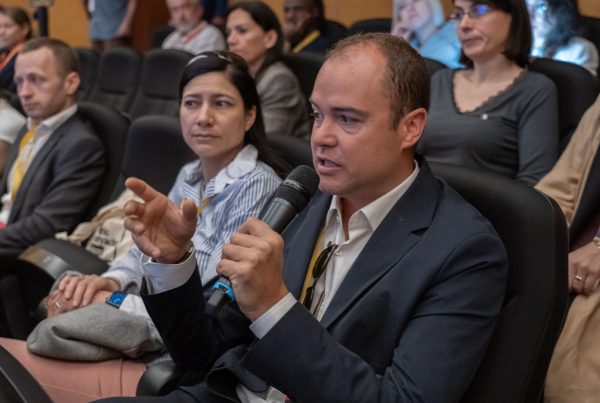
And still, public understanding of this reality remains dangerously low. This “perception gap”, as several experts called it during the Operations Think Tank at The Balearic Superyacht Forum 2025, is not merely reputational. It influences regulation, public policy, and even the willingness of governments to engage with the sector.
The industry now stands at a crossroads: will others continue defining what yachting means — or will the sector reclaim control of its narrative?
The Consequences of Misunderstanding
The discussions in Palma exposed a fundamental truth: ignorance costs.
When policymakers and the public do not understand how the yachting economy functions, they tend to regulate it reactively — focusing on optics rather than evidence. Participants recalled how certain tax or charter laws have been drafted under political pressure, without consulting the very professionals who keep the Mediterranean’s maritime economy afloat.
One example shared during the forum perfectly illustrated the problem. A senior Spanish official, previously sceptical about yachting’s value, was invited to visit a superyacht and meet the engineers, suppliers, and crew behind its operation. His perspective changed entirely — and, not long after, so did aspects of the permitting process he oversaw.
This anecdote captures the wider issue: lack of exposure breeds misunderstanding, and misunderstanding breeds poor policy.
Without knowledge of the industry’s economic footprint, governments underestimate its potential; without education, the public continues to see only glamour, not the human and technical expertise that sustain it.
Beyond Luxury: The Real Economic Engine
Few sectors combine craftsmanship, advanced technology, and skilled employment like yachting. Yet its economic impact is often overlooked — or deliberately minimised.
In fact, the numbers tell a very different story. Across leading Mediterranean markets, yachting represents a multi-billion-euro ecosystem. In Italy alone, the industry generates an estimated €27 billion in economic impact and supports over 100,000 jobs. Its employment multiplier stands at 1 to 6.5 — meaning that for every job created directly in yachting, more than six are generated across related industries such as engineering, logistics, design, and hospitality.
These figures shatter the myth of yachting as a niche reserved for the few. From apprentices in refit yards to marine technicians, suppliers, and subcontractors, the sector powers coastal economies and supports hundreds of small and medium enterprises.
It is, in other words, a vital component of the blue economy — one that blends industrial capability with environmental innovation and global tourism.
As several voices at the forum noted, this reality must be communicated far more assertively if the industry wishes to regain legitimacy in the public eye.
Education and Engagement: Changing Minds
Changing perception begins with education — not only within the sector, but beyond it.
One of the recurring conclusions from the Operations Think Tank was that the yachting industry has been too insular, failing to explain itself to those who shape legislation, manage ports, or teach future professionals.
Positive examples are now emerging.
- World Boating Day, launched by the Superyacht Life Foundation and SYBAss, opens shipyards and offices to the public, offering first-hand insight into the skills, technology, and teamwork that define the modern maritime sector.
- In Spain, collaboration between marine authorities and technology companies has led to Posidonia mapping being integrated into navigation systems — a clear demonstration of how industry and environmental protection can work hand in hand.
These initiatives share a common goal: to humanise yachting. By showing what happens behind the polished decks — the people, innovation, and responsibility — they help dismantle stereotypes and build trust.
As one participant aptly put it, “Visibility breeds understanding; understanding breeds legitimacy.”
Reframing the Narrative: From Defence to Leadership
For too long, the yachting industry has spoken about itself defensively, reacting to criticism instead of setting the agenda. That must change.
Reframing the narrative means moving from justification to leadership — openly embracing the sector’s social, environmental, and economic relevance. It requires a communication strategy as coordinated and structured as any technical regulation, shared across associations, shipyards, and marinas.
This also means speaking with one voice at institutional level. As highlighted in Palma, initiatives such as the Superyacht and Business Aviation Think Tank — led by a coalition of legal and fiscal experts — are already laying the groundwork for continuous advocacy and representation in European forums. A unified message, grounded in data and transparency, is the most effective tool for influencing policy and rebuilding trust.
Ultimately, reputation in yachting is not a by-product of success; it is part of the industry’s infrastructure. Without it, even the most advanced regulation or innovation risks losing public support.
Conclusions
The future of yachting depends as much on perception as on policy. While the industry continues to invest in sustainability, digitalisation, and skills, it must also invest in credibility — in explaining who it really is, what it contributes, and why it matters.
The Mediterranean, as the world’s most visible yachting hub, has both the challenge and the opportunity to lead this shift. By opening its doors, sharing its data, and amplifying its collective voice, it can transform perception into partnership.
If the previous article in this series exposed the regulatory maze that threatens the sector’s efficiency, this one addresses the narrative maze that undermines its legitimacy. Both require clarity, coordination, and courage.
The yachting community cannot wait for others to tell its story. It must own it. Because the future of this industry will not be defined by who sails the largest vessels — but by who tells the most truthful story.