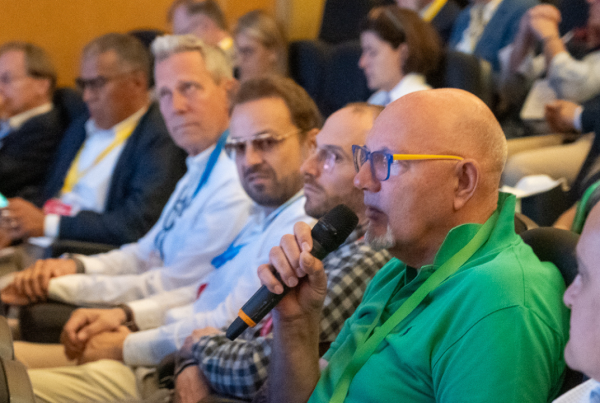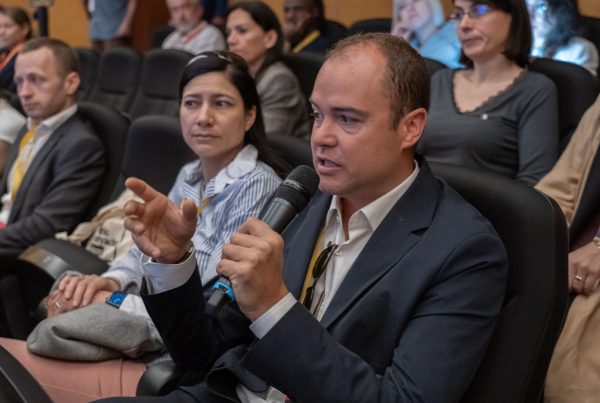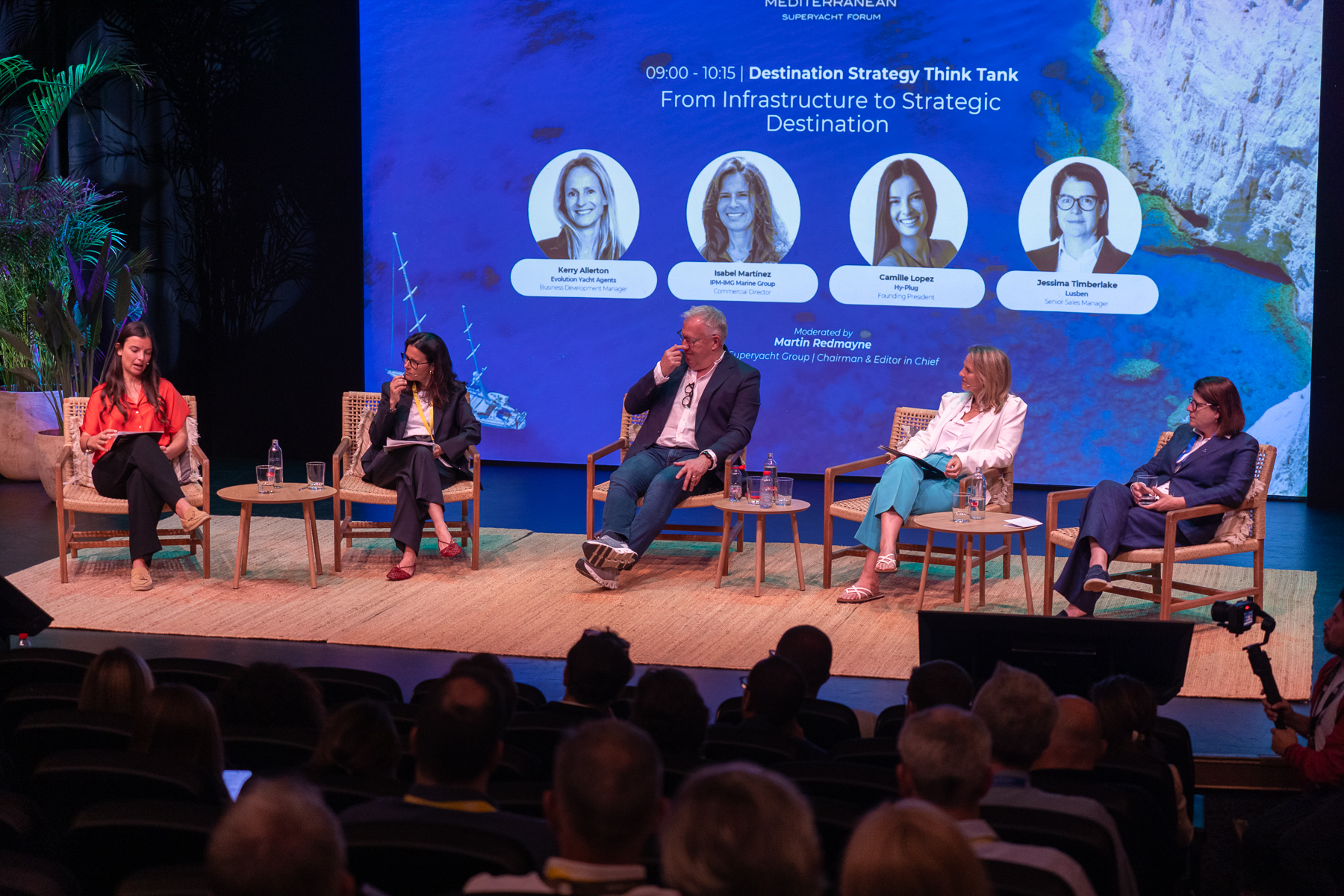
Insights from the MSF26 Destination Strategy Think Tank on infrastructure, operational ecosystems and the future of Mediterranean yachting destinations.
For years, discussions around yachting destinations have focused on infrastructure: marinas, shipyards, berths, airports and technical facilities.
Yet one of the strongest conclusions emerging from the MSF26 Destination Strategy Think Tank was that infrastructure alone does not create a competitive destination.
The Mediterranean’s most successful yachting hubs are not simply collections of assets. They are operational ecosystems where infrastructure, services, workforce, governance, accessibility and user experience work together to support the entire yachting lifecycle.
The question is therefore no longer what a destination has, but how effectively its ecosystem functions.
1. A Destination Is More Than a Place
One of the first ideas explored during the Think Tank was that the word destination can be misleading.
In yachting, destinations perform different roles depending on where a yacht sits within its operational cycle.
The discussion identified three broad destination archetypes:
- Home port destinations
- Technical destinations
- Owner and guest destinations
Each fulfils a different function and therefore requires different priorities, investments and success metrics.
This distinction is important because not every destination should aspire to become the same thing.
Understanding a destination’s role is often more valuable than attempting to replicate another destination’s model.
2. Infrastructure Is Necessary, But Not Sufficient
Marinas, shipyards and technical facilities remain essential.
Without them, destinations cannot support modern yacht operations.
However, participants repeatedly highlighted that infrastructure alone does not guarantee competitiveness.
A destination may have world-class facilities and still struggle if it lacks:
- Skilled workforce
- Operational efficiency
- Regulatory clarity
- Accessibility
- Service culture
- Institutional support
- Reliable supply chains
What ultimately matters is how these elements work together from the perspective of owners, captains, crew and management teams.
In other words, infrastructure creates capability.
Ecosystems create competitiveness.
3. The Crew Experience Shapes Destination Success
A particularly relevant theme emerging from the discussions was the role of captains and crew in destination selection.
While owners make the final decisions, crew members often influence where yachts return, especially when choosing home ports or technical bases.
The quality of life available to crew, access to services, housing, training opportunities, transport connections and day-to-day convenience all contribute to a destination’s attractiveness.
This highlights an important strategic shift.
Destination planning cannot focus exclusively on owners and guests. It must also consider the operational reality of those who keep yachts running.
4. The Mediterranean Works as an Ecosystem
Another recurring theme was the need to view the Mediterranean not as a collection of competing destinations but as an interconnected operational network.
Yachts move continuously between destinations depending on their needs.
A vessel may:
- Winter in a home port
- Conduct refit work in a technical hub
- Cruise through lifestyle destinations during the season
From this perspective, collaboration between destinations can strengthen the overall competitiveness of the Mediterranean region.
Competition remains important.
But selective cooperation can reduce friction, improve standards and create a more seamless experience for yacht operations.
5. Rethinking What Makes a Strategic Destination
Perhaps the most significant conclusion from the Think Tank was that strategic destinations are not necessarily the largest or most visible.
They are the destinations that clearly understand their role and align their infrastructure, services, people and governance around that role.
The discussion ultimately pointed towards a broader framework for evaluating destination competitiveness, one that goes beyond physical infrastructure and includes:
- Operational infrastructure
- Technical ecosystem
- Operational simplicity
- Crew experience
- Owner and guest experience
- Territorial legitimacy
- Mediterranean cooperation
Together, these dimensions provide a more realistic understanding of what makes destinations successful in today’s yachting environment.
Conclusión
As the Mediterranean yachting sector continues to evolve, destination strategy must evolve with it.
Infrastructure will always remain essential.
But the destinations that thrive in the future are likely to be those that move beyond infrastructure-led thinking and focus instead on ecosystem performance.
Because in yachting, competitive advantage is not created by individual assets.
It is created by the ability to connect people, services, operations and places into a coherent experience.