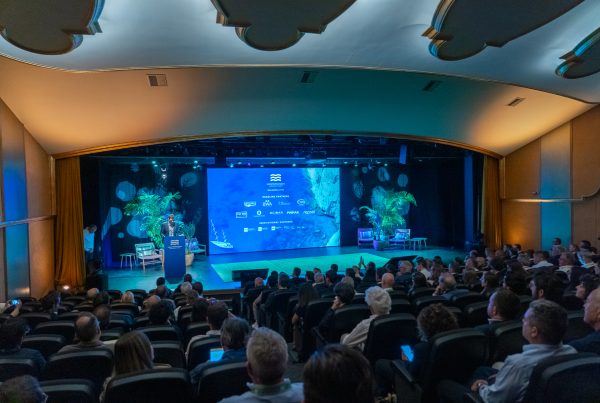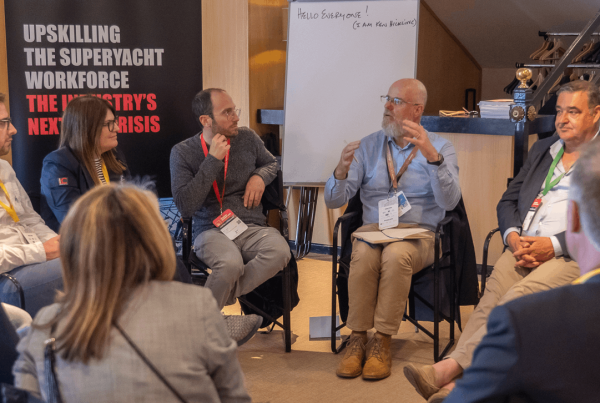
The Superyacht Mediterranean Forum, organized by the Balearic Marine Cluster, represents a key gathering for the yachting industry in the Mediterranean. As the sector
evolves, so does the responsibility to address its environmental impact.
Embedding sustainability into the design and execution of such events is no longer optional. It is a strategic decision that aligns with industry expectations, regulatory trends, and the
growing demand for transparency and accountability.
In this context, TrueWorld has supported the Forum by integrating climate action into its operational framework, with a particular focus on measuring and managing its carbon
footprint.
Why Measuring Carbon Footprint Matters
Sustainability strategies must be grounded in data. Without measurement, there is no credible pathway to reduction. Events, particularly those linked to high-impact sectors such as maritime and luxury mobility, generate emissions across multiple sources.
- Travel and transport of attendees
- Venue energy consumption
- Logistics, materials, and catering
- Accommodation and associated services
By quantifying these emissions, organizations can:
- Identify the most significant sources of impact
- Prioritize reduction measures where they matter most
- Establish baselines for continuous improvement
- Communicate transparently with stakeholders
Carbon footprint measurement is also increasingly aligned with international frameworks and expectations, including climate disclosure standards and ESG reporting practices.
A Rigorous Methodology: GHG Protocol Alignment
For the Superyacht Mediterranean Forum, TrueWorld is conducting a comprehensive carbon footprint assessment in line with the internationally recognized GHG Protocol.
This approach ensures:
- Consistency with global best practices
- Comparability across events and sectors
- Credibility in reporting and decision-making
The analysis covers all three emission scopes:
Scope 1
Direct emissions from sources controlled by the event (e.g. fuel use in owned or managed assets).
Scope 2
Indirect emissions from purchased energy, such as electricity consumption at the venue.
Scope 3
All other indirect emissions, typically the most significant for events, including:
- Participant travel
- Accommodation
- Supply chain and services
- Waste generation
This full-scope approach is essential to capture the real environmental footprint of the event and avoid partial or misleading assessments.
From Measurement to Action
The objective of this assessment goes beyond reporting. It is a decision-making tool. Based on the results, TrueWorld will support the identification of:
- High-impact hotspots across the event lifecycle
- Practical and effective reduction strategies
- Opportunities to engage stakeholders in climate action
Examples of potential measures include:
Optimizing mobility and travel-related emissions
- Selecting lower-impact suppliers and materials
- Improving energy efficiency at the venue
- Reducing waste and promoting circular solutions
Any residual emissions that cannot be reduced will be offset through certified and verified projects, reinforcing the Forum’s commitment to credible climate action and accountability.
Aligning with a Forward-Looking Sustainability Strategy
The integration of carbon footprint measurement into the Superyacht Mediterranean Forum reflects a broader shift within the maritime sector.
Sustainability is increasingly becoming a core pillar of competitiveness, reputation, and long-term viability. By embedding climate action into the event itself, the Forum:
- Leads by example within the superyacht ecosystem
- Supports the transition towards lower-impact operations
- Reinforces its commitment to responsible industry development
A Step Towards Climate Accountability
Measuring emissions is the first step towards reducing them.
Through this collaboration, the Superyacht Mediterranean Forum moves from intention to action, establishing a clear, data-driven pathway to minimize its environmental impact. TrueWorld’s role is to ensure that this process is not only technically robust, but also strategically meaningful, enabling organizations to translate climate commitments into measurable results