Turning Industry Conversation into Strategic Insight
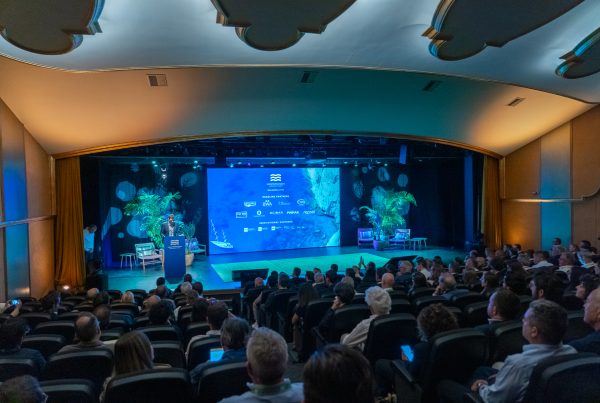
The Mediterranean Superyacht Forum has never been designed as a traditional conference.
From its inception, the objective has been clear: create a space where the industry does not simply listen, but actively contributes to shaping the conversation. MSF26 continues this approach with a programme structure built around collaboration, dialogue and the exchange of real industry insight.
At the heart of this structure are the Small Group Sessions (SGS) — a series of focused discussions designed to address the most pressing challenges facing the Mediterranean superyacht sector.
But the success of these sessions relies heavily on a key role that is often misunderstood: the Small Group Session Leader.
Understanding what this role is — and what it is not — is essential to understanding how the forum itself works.
The Structure Behind the Conversations
The first day of the forum will feature 12 Small Group Sessions, distributed across three strategic pillars that reflect different layers of the industry ecosystem:
- Destination Strategy
- Business Strategy
- Commercial Strategy
Each pillar contains four sessions, moving from broader ecosystem challenges to more operational and commercial realities.
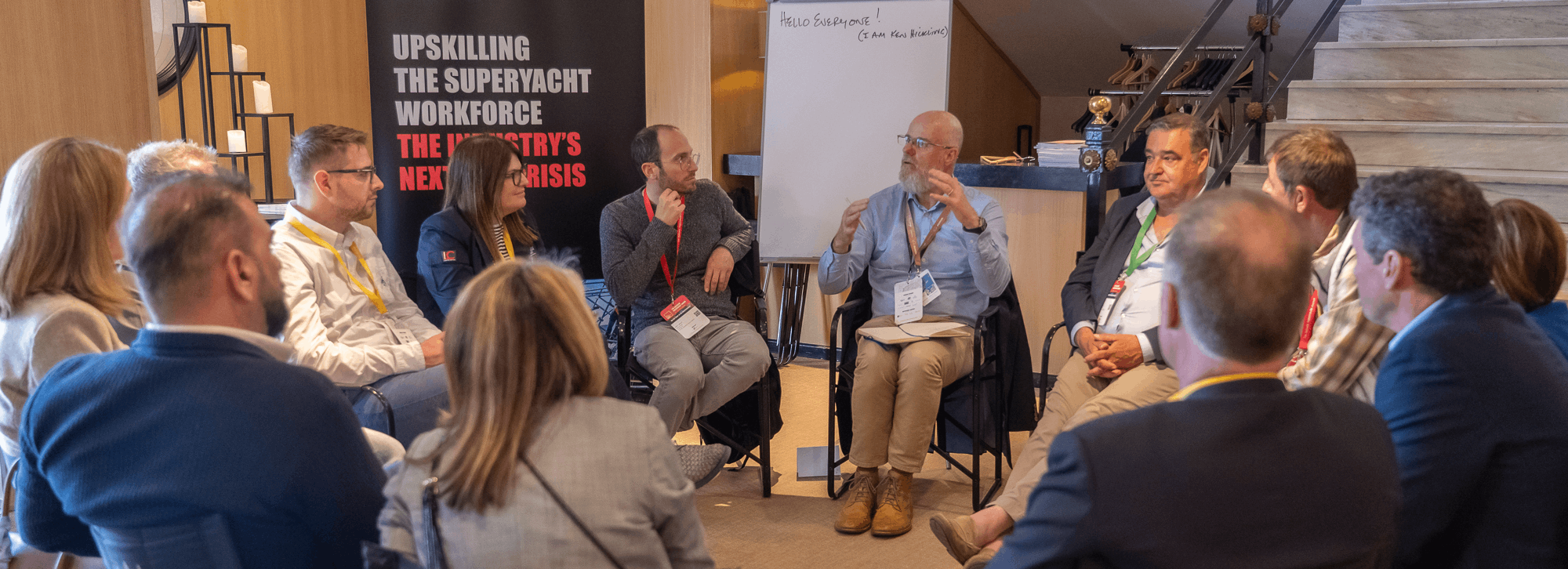
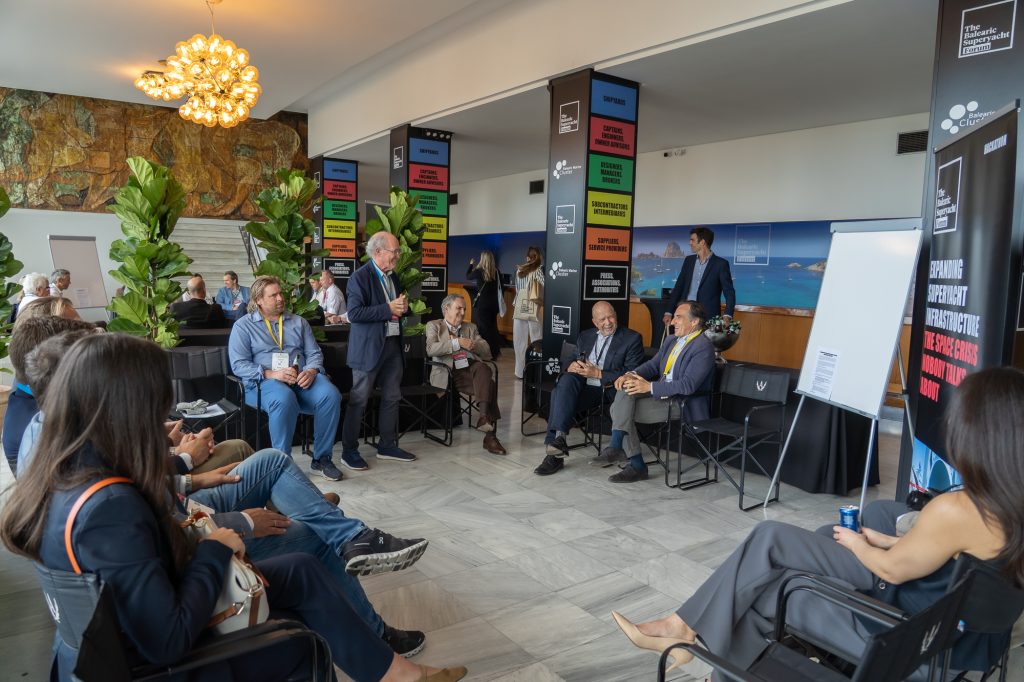
Rather than large auditorium-style panels, these sessions bring together around 20 participants in an intensive discussion format that can last up to two and a half hours. The goal is not passive listening but active contribution.
Each session revolves around a specific topic or practical case, designed to prompt debate, reflection and the sharing of real experiences from professionals working across the sector.
Participants may only attend one Small Group Session, meaning each group effectively becomes a concentrated micro-forum within the larger event.
The insights generated within these rooms, however, do not remain there.
They form the foundation for the Think Tanks taking place on the second day, where the conclusions and perspectives from each strategic pillar will be shared with the wider audience.
Ensuring that this flow of information works effectively is precisely where the role of the SGS Leader becomes critical.
What an SGS Leader Is Not
At first glance, it might be easy to assume that the SGS Leader performs a familiar conference role.
They are not a keynote speaker delivering prepared insights.
They are not a traditional moderator managing a panel discussion.
And they are not there to impose their own views on the conversation.
The purpose of the Small Group Sessions is to extract the collective intelligence of the industry — not to showcase individual expertise.
For this reason, the SGS Leader operates in a fundamentally different way.
What an SGS Leader Actually Does
Each of the 12 sessions is guided by a dedicated SGS Leader, whose primary responsibility is to facilitate the discussion and ensure that the process produces meaningful outcomes.
At the beginning of the session, the leader introduces the challenge or case being explored and explains the working dynamic of the group. From there, their role becomes one of strategic facilitation.
They guide the conversation, ensuring that the discussion remains focused on the key issues while allowing participants to contribute freely from their own experience and perspective.
Equally important is their role as active listener and curator of insight.
Throughout the session, the leader captures the key ideas, concerns and proposed solutions emerging from the group. Each Small Group Session is accompanied by supporting materials that include practical frameworks and templates, allowing participants to structure their thinking and record their conclusions as the discussion unfolds.
These documents — together with the observations gathered during the session — form the raw material of the forum’s collective intelligence.
From Conversation to Collective Insight
Once the Small Group Sessions conclude, the work of the SGS Leaders continues.
Leaders from each strategic pillar meet to consolidate the information gathered across their four sessions. Their objective is to identify the recurring themes, the strongest insights and the most relevant conclusions emerging from the discussions.
Because these insights are generated directly by industry professionals participating in the sessions, the information is exceptionally current.
It reflects not theoretical analysis, but the real concerns, priorities and perspectives of the people actively working within the sector.
This synthesis is then transferred to the Think Tanks on Day 2, where the outcomes from each strategic pillar are shared and discussed with the full audience.
In this way, the Small Group Sessions serve as the intelligence engine of the forum, and the SGS Leaders act as the connectors ensuring that the insights generated in smaller rooms inform the broader strategic dialogue.
Why This Role Matters
The design of the Mediterranean Superyacht Forum is based on a simple principle: the industry itself holds the knowledge required to address its challenges.
What is often missing is the right environment — and the right process — to bring those insights together.
Small Group Sessions create that environment by allowing professionals to exchange perspectives in a focused and collaborative setting. But without a structure that captures and translates those conversations into actionable insight, much of that value could easily be lost.
The role of the Small Group Session Leader is therefore not merely operational. It is structural.
They ensure that the discussion remains productive, that the insights are properly documented, and that the knowledge generated within each group contributes to the wider conversation taking place across the forum.
In short, they help transform individual discussions into collective industry intelligence.
And in a sector as dynamic and complex as the superyacht industry, that collective intelligence is precisely what the forum is designed to unlock.